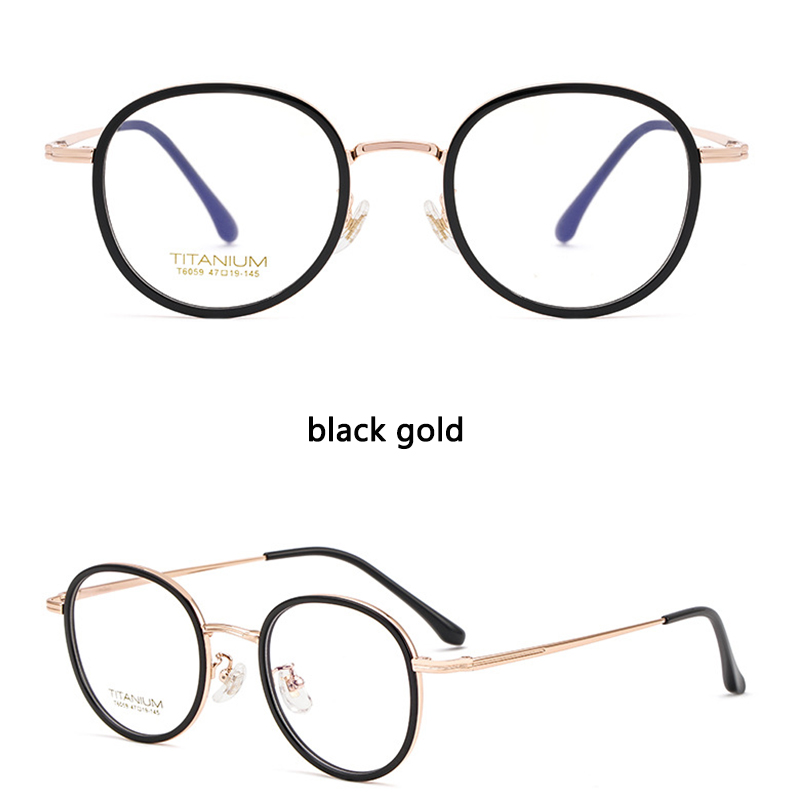
I understand the desire. We all want those lightweight, stylish frames that let us read our phones without feeling old. I was drawn to the look of the Pure Titanium Retro Round Reading Glasses—ultralight, with blue light protection and high-quality construction.
I assumed buying the best men's reading glasses would be straightforward. Just enter my prescription and complete the purchase. I was mistaken. I made these errors so you can avoid ruining your eyesight or wasting a hundred dollars on subpar products that cause headaches.
Here are the major pitfalls I encountered:
I saw the features: Pure Titanium, Ultralight, Anti Blue Light. Then I spotted a similar-looking pair for half the price. I tried to save forty dollars.
That was a serious error.
When you purchase glasses, you're paying for three key components:
If the price seems too low for titanium frames, they're likely counterfeit or made from a thin alloy. Cheap lenses scratch within a month. Inexpensive coatings wear off quickly. Don't repeat my mistake by hunting for a bargain on something that impacts your vision daily.
Verdict: If a frame is advertised as "Pure Titanium" but priced like plastic, steer clear. Save your money on other things, not on your eyes.
The specific product I should have purchased was the Pure Titanium Retro Round model. I thought any "metal frame" would be similar. It wasn't.
Titanium is strong, lightweight, and corrosion-resistant (so sweat won't cause rust). Cheap frames are heavy. They pinch your nose and slip when you sweat. They break if you accidentally sit on them.
When searching for high-quality reading glasses, the frame should feel almost weightless on your face. That's the real reason people invest in titanium. If the seller doesn't clearly specify the material—and sometimes even when they do—the frame is probably flimsy, low-grade metal.
Verdict: Always verify the exact material. If the description says "alloy," assume it will either break or feel heavy. Insist on pure or genuine surgical-grade materials.